A stain on the ceiling or a musty corner in the basement does not tell you much by itself. Is it mold? How far does it go? Is moisture still feeding it? A mold inspection answers those questions so you can stop guessing and plan the next step.
Varietyrussian Mold Help is a referral service. We do not inspect or test anything ourselves. We connect homeowners in Dayton and the Dayton area with independent local providers who do. Snap a few photos, jot down what you noticed, and reach out while the patch is still small. Then compare written estimates with no obligation.
Think You Have Mold? Photograph It First
Start with your phone. Take wide shots and close-ups of the spot. Add a coin or a ruler for scale. Note the date. Then leave the area alone.
Do not scrub it yet. Wiping can spread spores and wipe away the evidence a provider needs.
Signs That Call for an Inspection
You do not need to see fuzzy growth. These clues are enough to ask for a look:
- A musty smell that comes back after you air the room out
- Stains or dark freckles on walls, ceilings or trim
- Peeling paint or bubbling drywall
- A recent leak, flood or burst pipe
- Allergy-like symptoms that ease when you leave the house
If you are searching for a mold inspection near me, any of these is a fair reason to start.
Small Patch, Quick Call
Mold likes damp, still spots. A small patch can grow when moisture sticks around. Reaching a provider early often keeps the job smaller.
What Happens During a Mold Inspection
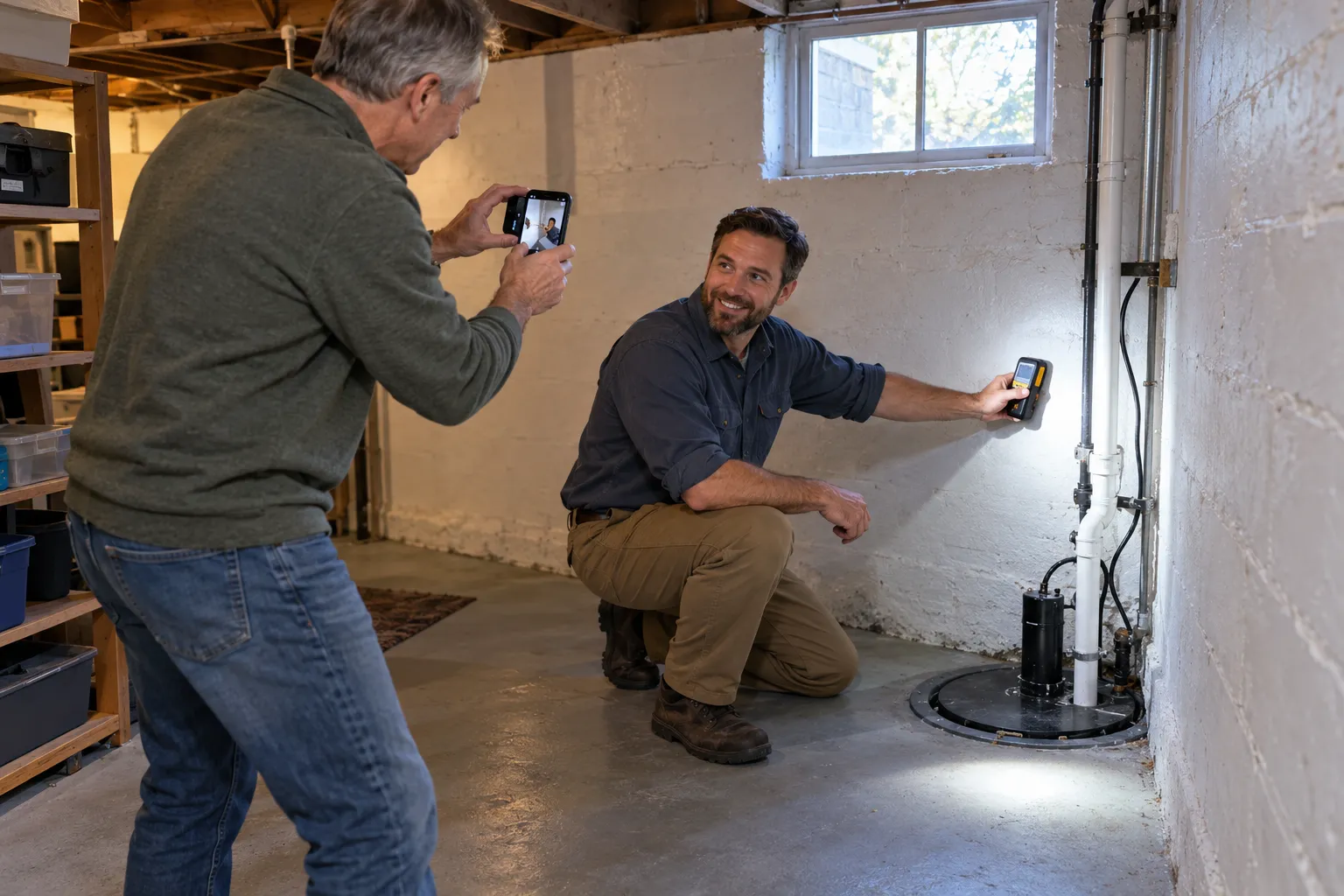
The provider walks the home with a flashlight and a moisture meter. They check the visible spots first. Then they look at the places that hide trouble: behind furniture, around windows, under sinks, near the water heater, and along basement walls.
Some carry a thermal camera. It spots cool, damp areas behind the surface. The visit also looks for the source of moisture. Mold is a symptom. Water is the cause.
Types of Mold Testing
Not every home needs every test. Common options include:
- Air samples: They capture spores floating in a room. An outdoor sample is taken for comparison.
- Surface samples: A swab or tape lifts material from a stain to identify it.
- Bulk samples: A small piece of drywall or wood goes to the lab.
- Moisture readings: These show where the building materials are wet.
Ask if the lab used for certified mold testing is accredited. Ask who collects the samples, too.
Reading Your Results
Lab reports list the types of mold found and how much. Numbers look scary on paper, so ask the provider to explain them in plain words.
A good report compares indoor and outdoor levels. It also points to where the problem sits and what is feeding it. Keep a copy with your photos.
Inspection and Remediation: Together or Separate?
Some providers do both jobs. Others only inspect. Either can work.
A separate inspector has no stake in selling you a cleanup. A combined provider may move faster from findings to fix. Ask each one how they handle it, and get both in writing.
Get Your Paperwork Ready
Organized records make estimates smoother. Build a simple folder, on paper or on your phone:
- Dated photos of every affected spot
- Notes on smells, leaks, storms and repairs
- Receipts for plumbing or roof work
- Your inspection report and lab results
Some policies may cover sudden damage, so check yours. Providers can often help document damage for a claim.
Prep the House Before the Visit
A little prep saves time. Clear a path to the basement, attic and crawl space. Move boxes off walls. Write down where you saw stains and smelled odors.
Keep the home as normal as you can. Do not bleach or deep clean right before testing. Run the furnace and fans as you usually do.
Where DIY Stops
You can fix a dripping faucet, run a dehumidifier and wipe a tiny, hard-surface spot. Wear gloves and a good mask while you do.
Know where to stop. Call a provider if the patch is bigger than a few feet, sits on drywall or insulation, comes back, or follows a flood. Stop too if anyone at home has breathing trouble.
Why Local Weather Matters
Cold winters bring frost and condensation. Hot, humid summers keep basements clammy. Spring flooding and hard storms push water into frame houses, bungalows and ranch homes that have stood for decades. A sump pump that fails in a storm can set the stage for hidden growth.
Those are good reasons to check low corners and exterior walls each season.
Questions to Ask the Provider
Bring a short list to the call:
- What does the visit include, and how long does it take?
- Which samples will you take, and why?
- Which lab processes them?
- Will the report name the moisture source?
- Is the estimate in writing?
Before You Book
Compare at least two written quotes. Look at what is included, not just the price. Pick the provider who explains things clearly. Then keep your photos, notes and report together in one place.
What's Included
Visual Inspection
A provider checks walls, ceilings, basements and attics for stains, growth, odors and signs of water.
Moisture Readings
Meters and cameras find damp spots hiding behind surfaces and trace the leak feeding the problem.
Air and Surface Samples
Samples go to a lab so you know what type of mold is present.
Written Report
You receive findings and lab results in writing, handy for estimates, repairs and your records.
Typical Mold Inspection and Testing Costs
Prices vary by home size, number of samples and local rates. These are typical U.S. ranges, not quotes. Always get a written estimate that spells out what the visit and lab work include.
| Service | Typical range | Notes |
|---|---|---|
| Visual inspection only | $250 – $500 | Walk-through with moisture meter, no lab work |
| Inspection with air samples | $450 – $1,000 | Includes an outdoor comparison sample |
| Single surface or tape sample | $50 – $150 | Per sample, lab fee often extra |
| Lab analysis fees | $40 – $100 | Per sample, turnaround varies |
| Thermal imaging add-on | $200 – $600 | Helps find hidden moisture |
| Large or multi-level home | $700 – $1,500 | More rooms mean more samples |
How It Works
Photograph and Log
Take dated photos, note smells and leaks, and keep your hands off the patch.
Reach Out
Request a callback to check provider availability, or send an estimate request.
Inspection and Sampling
The provider checks the home, reads moisture levels and collects samples.
Review the Report and Decide
Go over the findings in plain words, then choose your next step.
Why Call Varietyrussian Mold Help
Less Searching
Skip the endless scrolling. One request points you toward independent providers who handle mold inspections in your area.
Start Small
Reaching out early may keep a small patch from turning into a bigger project.
Paperwork Ready
Photos, notes and reports help you compare estimates and talk with your insurer.
No Obligation
Ask questions and request an estimate without any pressure to book.
Other Services
Need mold inspection & testing services in Dayton?
- Independent local providers handle inspection, testing and removal
- Photos and notes ready
- Request an estimate, no obligation
- Simple steps for homeowners
Mold Inspection & Testing Services FAQ
How do I know if I need a mold inspection?
Look for a musty smell, stains, peeling paint, or a past leak or flood. If a spot keeps coming back after you wipe it, or you cannot find the source, an inspection is a smart next step.
Can I test for mold myself with a kit?
Store kits can show that spores exist, but spores are everywhere. They do not tell you how much, where it started or what is feeding it. A provider gives you a fuller picture.
How much does mold testing cost?
Typical U.S. prices run from a few hundred dollars for a basic visit to about $1,000 or more with several samples. Costs vary by home size and lab fees, so get a written quote first.
Areas we cover
Dayton Trotwood Vandalia Huber Heights Centerville Englewood Fairborn Xenia West Carrollton
Request a callback
Questions about a musty smell or a spot on the wall? Send a note to contact@varietyrussian.garden or use the request form, and we will point you to a local provider.
No obligation